Crypto · BBC Stocks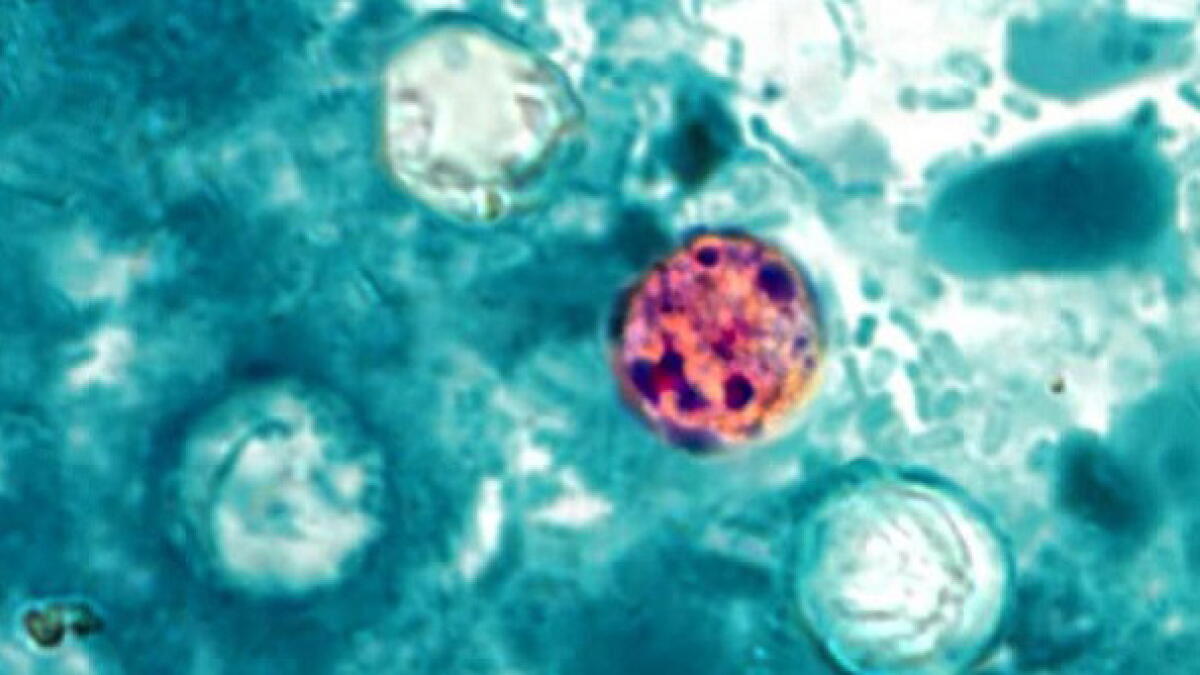
Staff Writer Sept. 11, 2026 5:43 PM PT The massive diarrhea-causing parasitic outbreak that sickened tens of thousands of people across 21 states over the summer has ended, though officials continue to investigate the cause of contamination. On Friday, the U.S. Centers for Disease Control and Prevention declared the cyclosporiasis outbreak officially over, saying the number of recent infections — primarily in the Midwest and on the East Coast — has significantly declined and linked recalled products are past their shelf life and out of stores.
Between May 1 and Tuesday, the CDC recorded 12,883 laboratory-confirmed cases of cyclosporiasis, 570 hospitalizations and 2 cyclosporiasis-related deaths. “At this time, there is no risk of people getting sick with cyclosporiasis from this source,” according to the CDC. Officials with the U.S.
Food and Drug Administration are still investigating the processed iceberg lettuce from Taylor Farms that was linked to the outbreak. Two months ago, epidemiological information collected by the CDC found that thousands of people had become ill after eating Taco Bell meals containing shredded iceberg lettuce between June 22 and July 20. The supply at the eateries was traced back to a Taylor Farms facility in Central Mexico.
In mid-July, the company — which also operates as Taylor Fresh Foods — removed the outsourced lettuce from the U.S. market and issued a voluntary recall of potentially contaminated products. A sample of lettuce from Taylor Farms de Mexico did at one point falsely test positive for the cyclosporiasis parasite. However, FDA officials said the false positive did not change the course of the outbreak investigation, “or the overwhelming epidemiological data supporting the ... voluntary recall by Taylor Farms.” According to the CDC, cyclosporiasis is rarely fatal.
The two people who died during the outbreak were both from the epicenter state, Michigan, and may have had underlying health conditions that made them vulnerable to the gastrointestinal illness and dehydration that can come with the disease. Officials say at the peak of the outbreak, before the recall, more than 1,000 infections occurred in a single day. By August, fewer than 2 infections were occurring per day, on average.
California was not a part of the multistate outbreak. However, the state public health department did see an uptick in cyclosporiasis cases. Between Jan. 1 and Aug. 21, there were 336 confirmed and probable cyclosporiasis cases in California, the state health department reported.
Of those, 65 were domestically acquired, meaning infected people became ill either in the state or after traveling within the United States. Two of these individuals traveled to an outbreak-affected state, ate at a Taco Bell and became ill. The rest became ill after traveling internationally.
The California Department of Public Health said the high number of cyclosporiasis cases in the state could be attributed to: An increased awareness of the illness due to national attention on the outbreak, leading to an increase in testing Overall improvements to the department’s surveillance and data-collection methods An increase in cases in people who traveled to areas with outbreaks, whether international or domestic Food safety experts said identifying the source of a foodborne illness such as cyclosporiasis is a challenge because public health investigators need to analyze multiple pieces of evidence from available public health data, follow a potential food source through the supply chain and test samples of potentially contaminated food. More to Read
Source: Los Angeles Times